Commercial cleanouts are often necessary when businesses relocate, renovate, downsize, close locations, or prepare properties for new tenants. While the focus is usually on removing unwanted furniture, equipment, debris, and clutter, workplace safety should remain a top priority throughout the process.
For Chicago business owners, property managers, facility supervisors, and commercial landlords, maintaining a safe work environment during a cleanout is not only good practice but also helps reduce the risk of injuries, disruptions, and potential compliance concerns.
Whether you're clearing out an office, retail space, warehouse, or commercial property, understanding OSHA-related safety considerations can help ensure a smoother and safer project from start to finish.
Why Safety Matters During Commercial Cleanouts
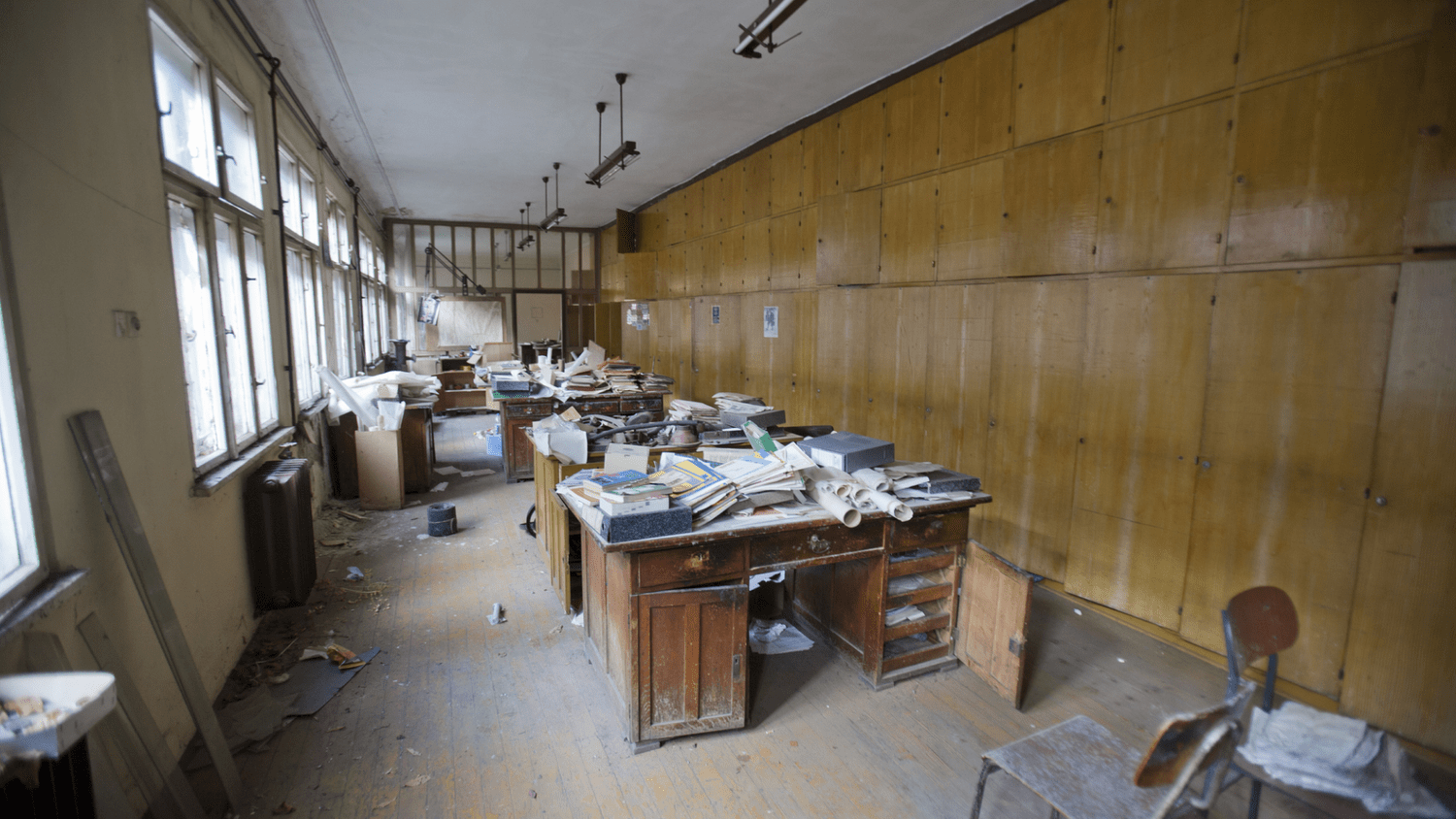
Commercial cleanouts often involve more than simply hauling away unwanted items. Workers may encounter:
Heavy furniture
Large appliances
Construction debris
Damaged materials
Sharp objects
Dust-producing demolition work
Crowded work areas
Slip and trip hazards
Without proper planning, these conditions can increase the risk of workplace injuries and operational disruptions.
Businesses throughout Chicago frequently schedule commercial cleanouts during renovations, tenant turnovers, office reconfigurations, and light demolition projects, making safety planning an important part of the process. Companies seeking comprehensive cleanup solutions often turn to property cleanout and trash removal services to help maintain organized and safer worksites.
What OSHA Compliance Means During a Cleanout
In general, OSHA regulations focus on maintaining safe working conditions and reducing workplace hazards.
During a commercial cleanout, this often involves:
Identifying potential hazards before work begins
Keeping walkways clear
Using appropriate personal protective equipment (PPE)
Managing debris safely
Maintaining organized work areas
Following safe lifting practices
Restricting access to active work zones
Because every property and project is different, businesses should evaluate the specific risks associated with their cleanout before work starts.
For a deeper understanding of preparing for large-scale office removals, businesses may also benefit from reviewing this guide on office cleanouts in Chicago and smooth transitions.
Conduct a Site Assessment Before Removal Begins
One of the most effective ways to improve safety is to identify hazards early.
Areas to Inspect
Before a commercial cleanout starts, inspect:
Storage rooms
Offices
Retail spaces
Loading areas
Stairwells
Utility rooms
Basements
Exterior access points
Look for potential issues such as:
Blocked exits
Damaged flooring
Loose materials
Unstable shelving
Water intrusion
Electrical hazards
Excessive clutter
A pre-cleanout assessment can help businesses develop a safer removal plan and reduce unexpected complications.
Property managers may also find value in learning more about the property cleanout process in Chicago when planning large commercial transitions.
Keep Work Areas Organized
Commercial cleanouts can quickly create clutter if materials are not removed systematically.
Common Trip and Fall Hazards
Extension cords
Loose debris
Broken furniture
Packaging materials
Construction waste
Equipment left in walkways
Maintaining clear pathways throughout the project helps improve worker safety and supports smoother movement of materials.
This becomes especially important during larger office cleanouts or light demolition projects where debris can accumulate rapidly. Businesses managing renovation work may also benefit from reviewing tips on remodeling waste disposal in Chicago.
Use Proper Personal Protective Equipment (PPE)
Different cleanout projects require different levels of protection.
Depending on the work being performed, PPE may include:
Safety glasses
Work gloves
Hard hats
High-visibility clothing
Dust masks or respiratory protection
Steel-toe footwear
For example, businesses working with experienced providers of expert demolition and removal services often prioritize appropriate safety measures during interior tear-outs, structural removals, and renovation preparation projects.
The type of protective equipment needed should always match the hazards present on the job site.
Manage Debris Removal Strategically
Debris management plays a major role in workplace safety during commercial cleanouts.
Materials Commonly Removed
Office furniture
Shelving
Cabinets
Fixtures
Construction debris
Packaging materials
General trash
Unwanted equipment
Allowing debris to accumulate throughout the workspace can create unnecessary hazards and slow project progress.
Many Chicago businesses rely on specialized construction debris and special waste removal services to keep projects moving efficiently while reducing safety risks associated with overcrowded work areas.
Businesses planning renovations may also benefit from reading about post-renovation cleanup and construction waste handling.
Follow Safe Lifting Practices
Heavy lifting injuries are among the most common workplace incidents during cleanouts.
Best Practices for Handling Heavy Items
Assess weight before lifting
Use team lifting when needed
Utilize moving equipment when available
Avoid twisting while carrying loads
Keep pathways clear before transporting materials
Large desks, file cabinets, commercial shelving, and appliances can be particularly difficult to move safely without proper planning.
For facilities clearing outdated equipment, partnering with professionals that provide home and appliance removal services can help reduce handling risks and improve efficiency. Businesses can also review these safe appliance disposal tips for Chicago properties.
Control Access to Active Work Zones
Commercial cleanouts often occur while portions of a business remain operational.
Restrict Access To:
Demolition areas
Debris staging locations
Equipment operating zones
Loading areas
Active removal pathways
Temporary barriers, signage, and communication with employees can help reduce accidental exposure to hazards.
This is especially important during interior demolition projects involving wall removal, cabinet removal, or construction debris cleanup.
Plan for Light Demolition Projects Carefully
Many commercial cleanouts involve some level of demolition before debris removal can begin.
Demolition Safety Considerations
Confirm scope before work begins
Identify non-load-bearing structures
Maintain controlled work zones
Remove debris regularly
Protect surrounding areas from damage
Communicate safety procedures clearly
Proper planning can help reduce risks while keeping projects on schedule.
Businesses considering demolition work may find additional insights in this guide covering what property owners should expect from demolition services in Chicago and how to choose the right demolition contractor in Chicago.
Work With Experienced Commercial Cleanout Professionals
Commercial cleanouts often move more efficiently when businesses partner with experienced removal teams.
According to its website, Smash Bros provides:
Property cleanouts
Trash removal
Garbage removal
Construction debris removal
Light demolition services
Commercial demolition support
Full-property cleanup solutions
Businesses interested in learning more about the company’s experience and service philosophy can visit the About page.
Many commercial property owners also reference educational resources covering why businesses choose professional junk removal partners and how full-service junk removal improves project efficiency.
Create a Cleanout Safety Checklist
A simple checklist can help keep projects organized and reduce overlooked hazards.
Commercial Cleanout Safety Checklist
Before Work Begins
Inspect the property
Identify hazards
Establish debris staging areas
Review emergency exits
Confirm PPE requirements
During the Project
Keep walkways clear
Remove debris regularly
Monitor work zones
Restrict unauthorized access
Follow lifting procedures
After Completion
Inspect the site
Remove remaining debris
Verify clear exits and pathways
Address any remaining hazards
A structured approach helps improve safety while supporting operational efficiency.
Frequently Asked Questions
What are the biggest safety risks during commercial cleanouts?
Common risks include slips, trips, falls, lifting injuries, falling debris, cluttered walkways, and hazards created by demolition or renovation activities.
Do office cleanouts require OSHA considerations?
Yes. Office cleanouts can involve heavy furniture, electrical equipment, debris, and employee traffic, all of which benefit from proper safety planning and hazard management.
Why should debris be removed regularly during a cleanout?
Regular debris removal helps reduce trip hazards, improve workflow, and maintain safer working conditions throughout the project.
Are commercial cleanouts different from residential cleanouts?
Commercial projects often involve larger spaces, more employees, operational considerations, and greater volumes of furniture, equipment, and debris.
What should businesses do before starting a commercial cleanout?
Conduct a site assessment, identify hazards, establish work zones, determine PPE requirements, and create a removal plan before work begins.
Can commercial cleanouts include demolition work?
Yes. Many projects involve light demolition, such as removing shelving, counters, cabinets, or non-load-bearing walls before debris removal and renovation work begin.
Conclusion
Commercial cleanouts are an important part of property transitions, renovations, and business operations, but safety should never be an afterthought. By assessing hazards, maintaining organized work areas, using appropriate PPE, controlling debris, and restricting access to active work zones, Chicago businesses can create safer cleanout environments for employees and contractors alike.
A well-planned cleanout not only helps support workplace safety but also improves project efficiency, reduces disruptions, and prepares the property for its next phase.
Businesses seeking dependable cleanout, demolition, and debris removal support can explore available services through the Smash Bros Junk Removal & Demolition homepage.
Contact Smash Bros Junk Removal & Demolition
Businesses throughout Chicago and the surrounding suburbs looking for assistance with commercial cleanouts, property cleanouts, debris removal, trash hauling, or light demolition projects can reach out through the contact page to discuss their project requirements and schedule service.
Contact Us